Bag Fattener & Shaker Conveyors

Unevenly distributed products often need reshaping before palletizing. A Bag Flattener & Shaker Conveyor performs this task efficiently. The shaker redistributes product from tail to front or vice versa, while the flattener compresses it between two surfaces for a uniform shape. Product resistance determines whether to use a roller-top or driven-belt design. Since flatteners move product only from front to tail, both systems serve unique redistribution needs.

1 - Standard Single Stage Roller-Top Flattener Conveyor
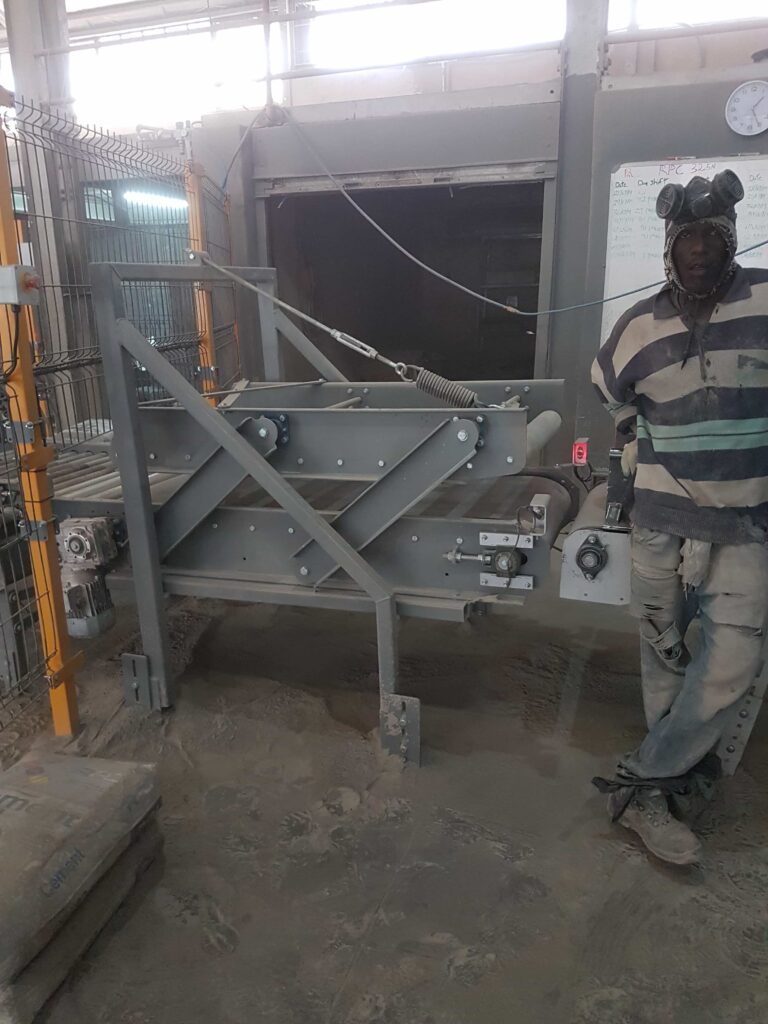
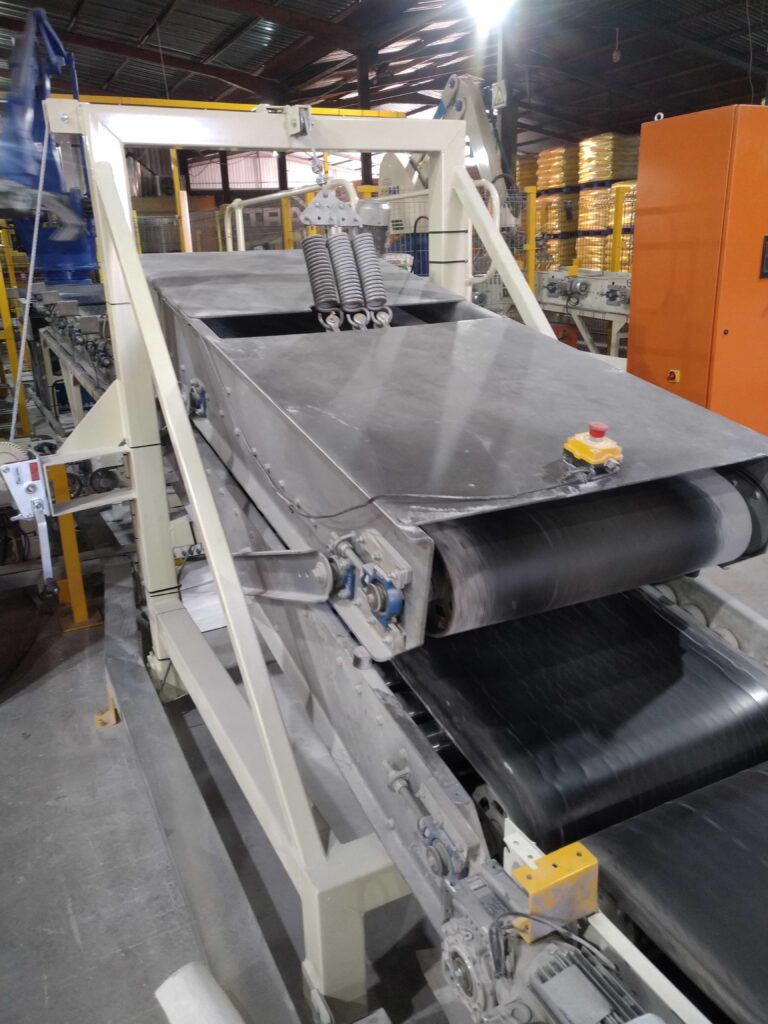
This flattener is the most common type. It includes a rubber belt conveyor at the bottom and a heavy-duty gravity section above. Operators adjust the top roller platen height using an industrial steel wire winch. Heavy springs between the winch and platen absorb shock loads. Product properties determine the minimum mass needed for proper platen function. Too much weight can cause jamming inside the flattener. In that case, a heavy-duty single-stage dual belt drive flattener conveyor provides a better solution.

This conveyor features two opposing flat rubber belt conveyors positioned face-to-face. Because the flattening load is heavy, the bearer components are built thicker for strength and mass. Operators manually adjust the driven top platen height with a steel winch. Fully automated packing lines use an electric control for this adjustment. An integrated electro-mechanical system synchronizes both belt speeds, ensuring smooth and accurate operation.

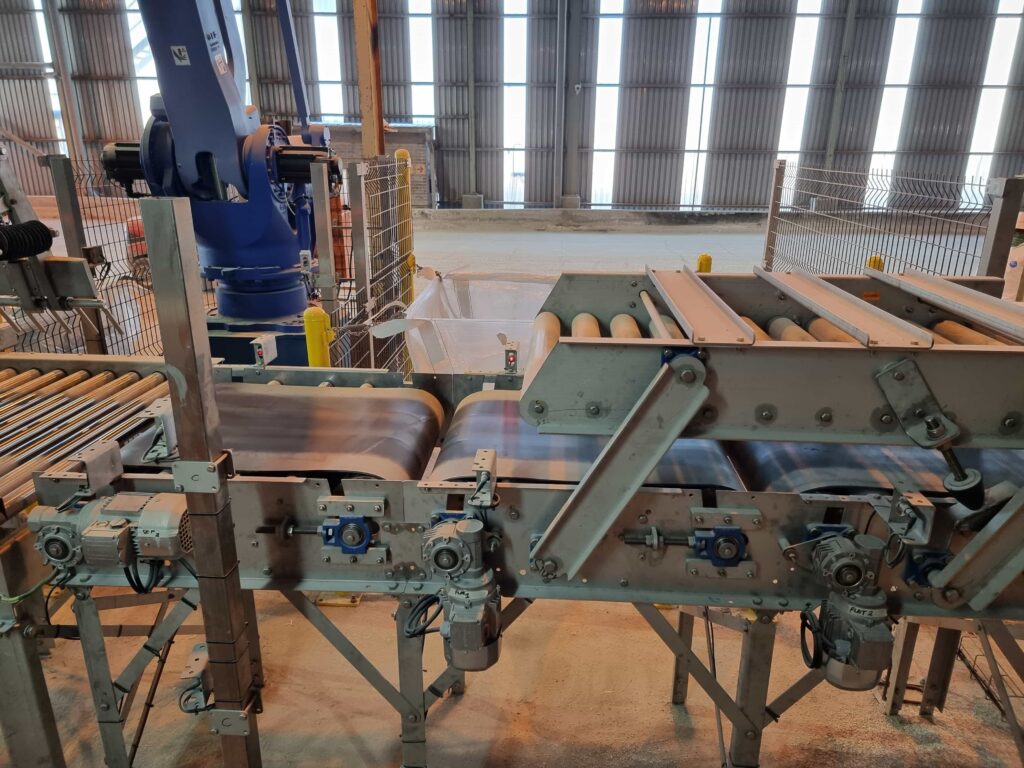
Some installations have limited space and require a compact design that combines marshalling and flattening. The multi-stage roller-top flattener meets this need. It includes several short flat rubber belt conveyors—usually three—linked with a single long roller-top unit. Many cement producers use this setup because it handles fine powder products effectively and reduces line length.

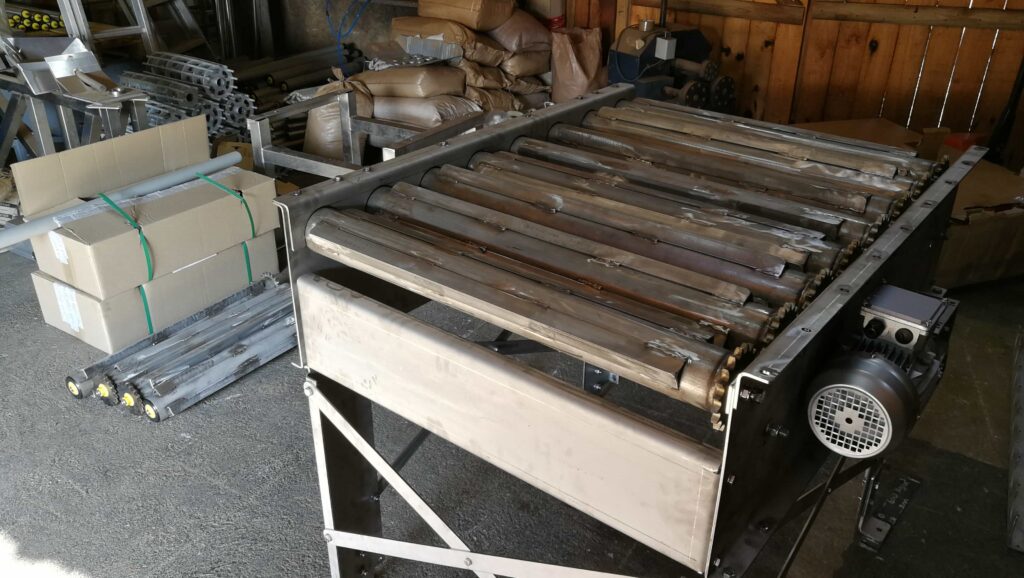
Highly fluidized materials, such as fertilizer granules or rice, often need only oscillation for even redistribution. Our tri-lobe heavy-duty roller conveyor performs this job with consistent reliability. Technicians should test the minimum effective length before finalizing the production layout. Beyond a certain length, a Bag Flattener becomes a more efficient and cost-effective option.